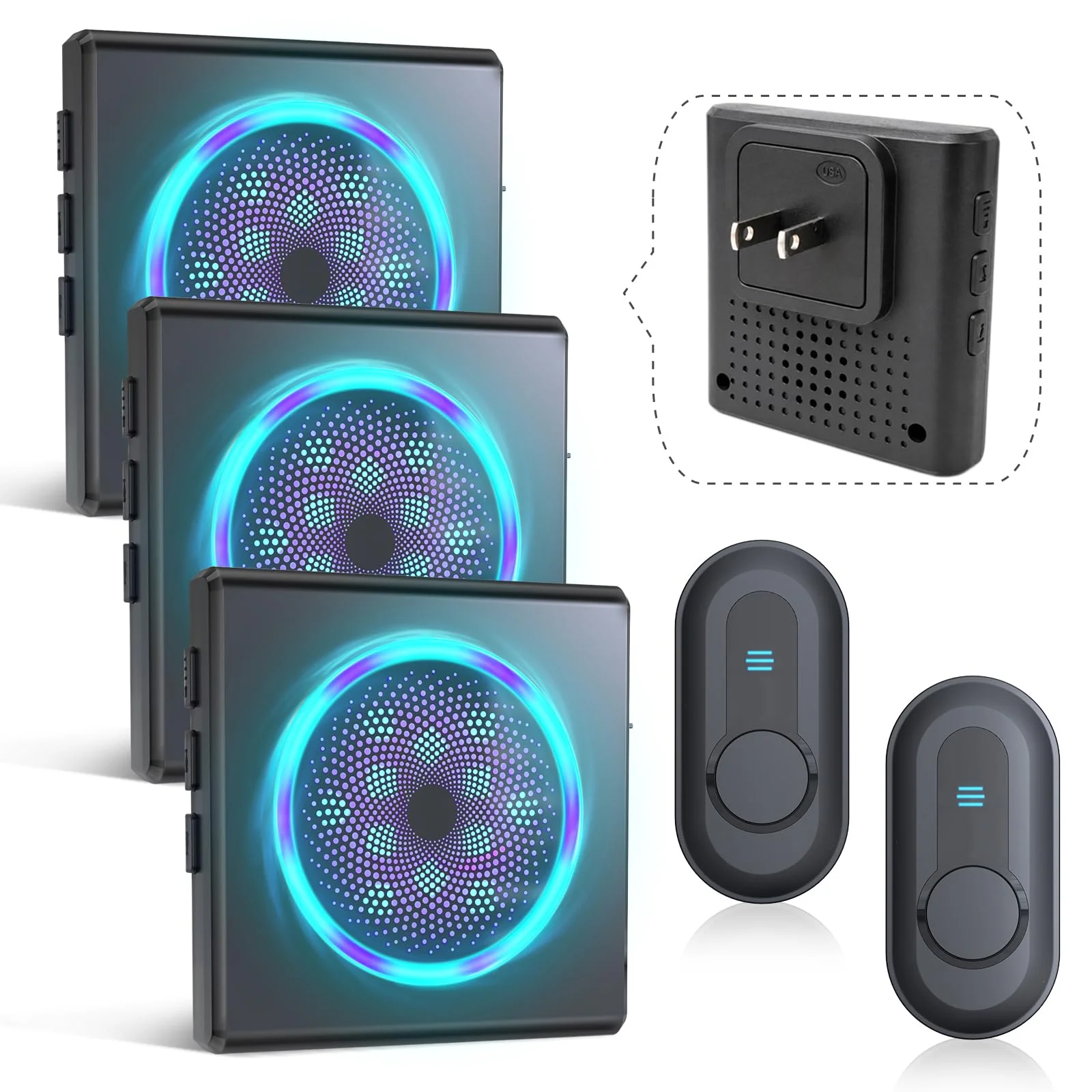
Choosing doorbell chimes for hearing impaired and hard-of-hearing users involves more than finding the loudest receiver. A useful alert should be noticeable in the rooms where you spend time, distinguishable from everyday household sounds, and adaptable to changing hearing needs. The most accessible systems combine audible chimes with bright flashing lights, bed or pocket vibrations, or notifications delivered through a connected device. Before buying, consider the size and layout of your home, background noise, whether you need alerts outdoors, and whether the system must work with an existing wired doorbell.
Important Doorbell Alert Features for Accessibility
Volume adjustment is an essential starting point, but maximum loudness is not the only measure of usability. A very loud alert can still be difficult to understand if its pitch blends into televisions, appliances, or street noise. Look for a receiver with a wide volume range, a tone that remains clear at higher settings, and separate controls for each receiver when possible. Multiple volume levels are especially helpful when one person needs a stronger alert while another prefers a quieter setting.
Visual alerts provide an important second channel. A large, bright flashing indicator is easier to notice than a tiny status light, particularly from across a room or in daylight. Some doorbell chimes let you choose between a flash, a sound, or both. That flexibility is useful for sleeping areas, home offices, and households where a sound-only signal would be unreliable. A visual alert should be easy to identify without requiring you to look directly at the doorbell button.
Vibration can make an alert more dependable when you are outdoors, wearing headphones, using noisy equipment, or asleep. Depending on the design, vibration may come from a portable receiver, a pager-sized unit, a wrist device, or an accessory placed under a pillow. Check whether the vibration receiver is included or sold separately, how it is charged, and whether it offers enough battery life for overnight or all-day use.
Range and signal reliability matter as much as the alert itself. Wireless systems are convenient because they avoid running new cable, but walls, metal surfaces, and nearby electronics can reduce practical range. A stated range is usually measured in open conditions, so allow a margin for real rooms and floors. If the system supports multiple receivers, confirm how many can be paired and whether every receiver responds consistently to the same doorbell button.
Best Chime Types for Louder and Clearer Notifications
Plug-in wireless receivers
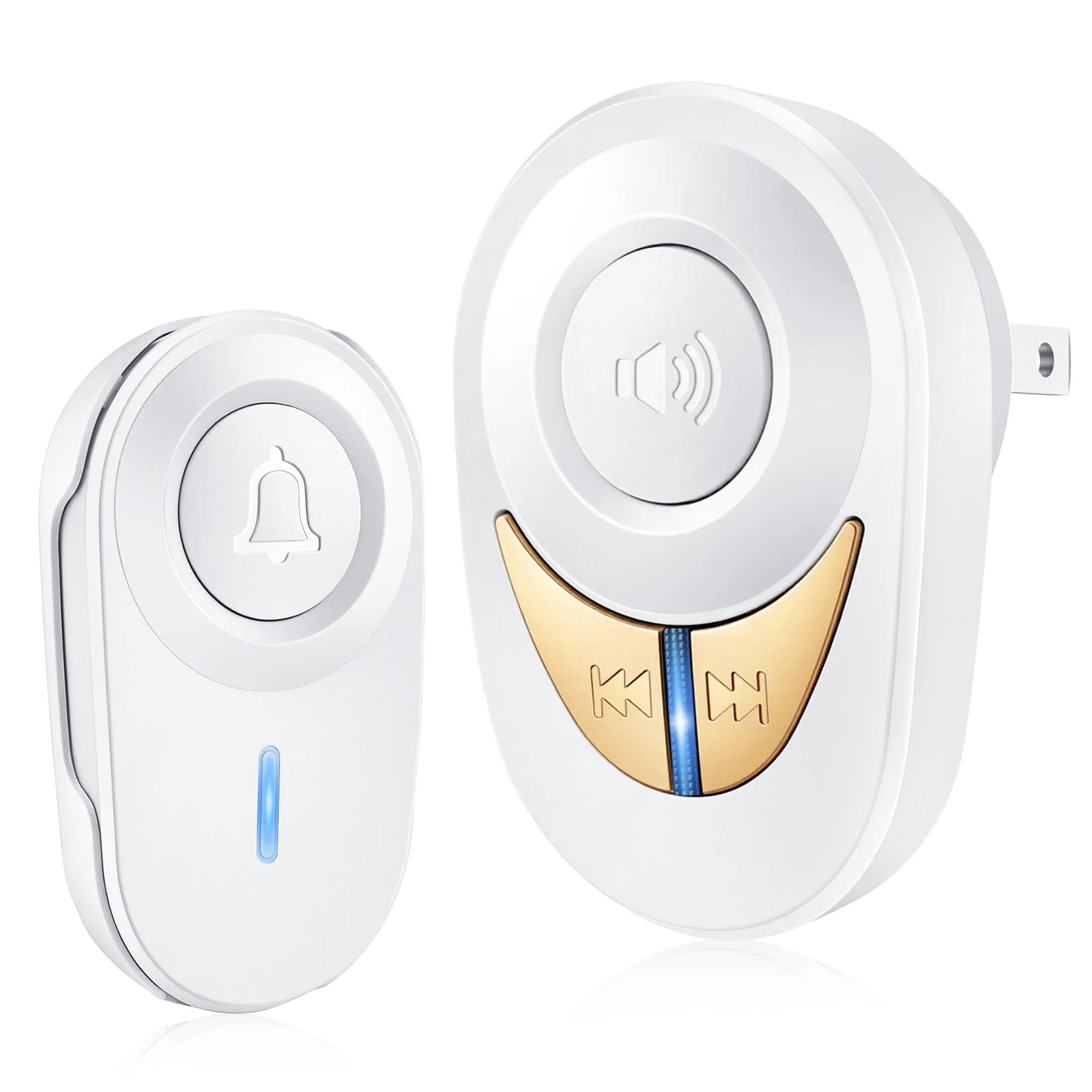
Wireless plug-in chimes are often the simplest choice for renters, replacement projects, and homes where the existing doorbell wiring is difficult to access. The button mounts near the entrance while one or more receivers plug into indoor outlets. Their main advantages are flexible placement, straightforward installation, and the ability to add coverage without opening walls. Their limitations include dependence on nearby outlets and the possibility of signal interference or reduced range in larger homes.
When comparing Wireless doorbell chimes, check the receiver’s control layout rather than relying only on the number of available melodies. A dedicated volume button, an obvious visual indicator, and a clear pairing process are more valuable than dozens of novelty sounds. If several people use the home, choose a system that makes it easy to recognize the doorbell alert without needing to identify a particular tune.
Hardwired chime replacements
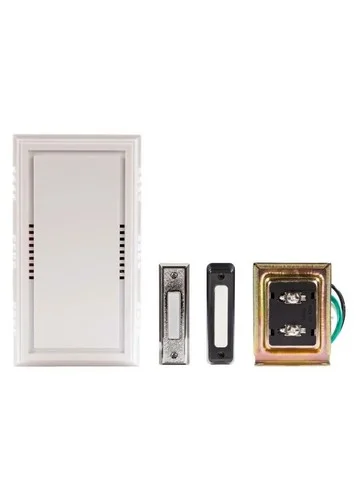
Hardwired chimes can be a good fit when a reliable doorbell circuit is already installed and you want a permanent-looking setup. They may integrate neatly with an existing button and transformer, but compatibility must be checked carefully. Voltage, transformer capacity, wiring arrangement, and compatibility with a digital or smart doorbell can all affect performance. A wired unit may also provide fewer placement options than a wireless kit, since the chime must remain connected to the existing circuit.
Connected and smart alerts
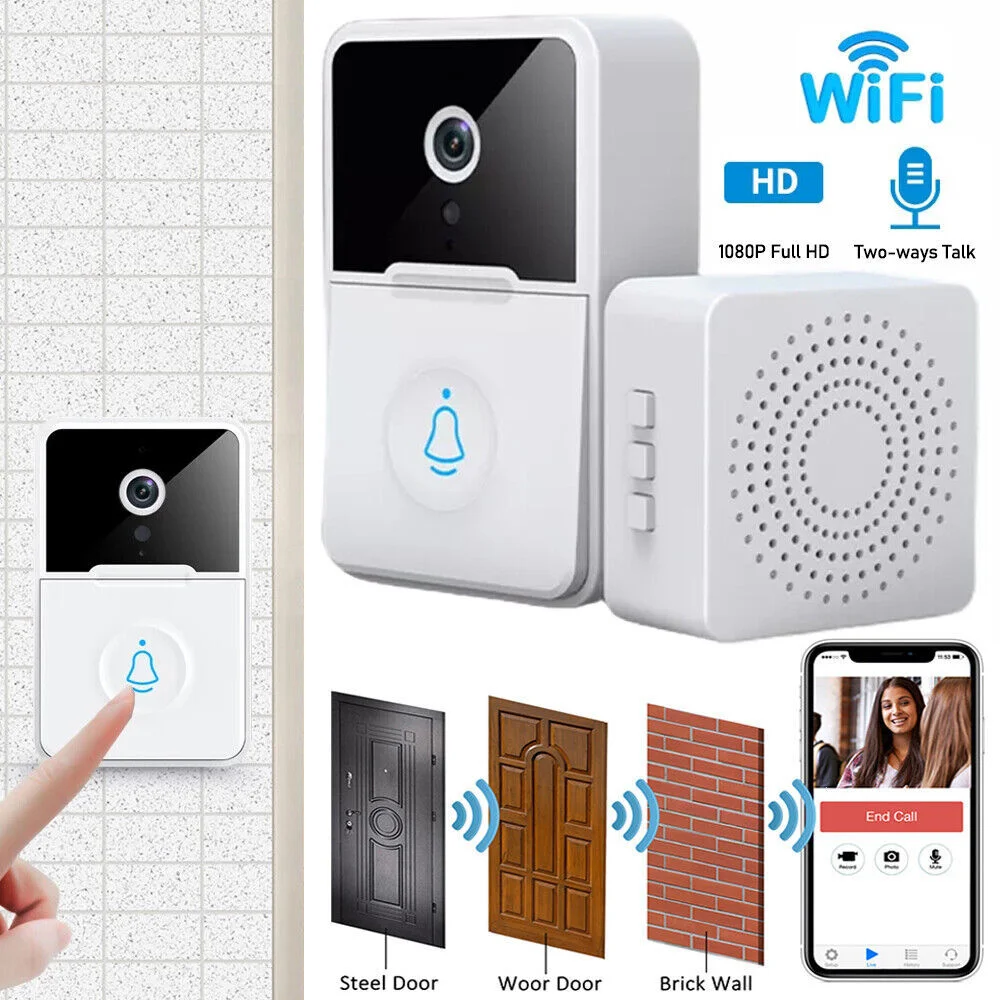
Smart doorbells can send alerts to a phone, tablet, smart speaker, or connected display in addition to producing a local sound. This can expand coverage throughout a home, but it introduces requirements for Wi-Fi, account setup, app notifications, and reliable internet service. Phone alerts should be treated as a supplement rather than the only notification method, since a muted device, low battery, or disabled notification can make the alert easy to miss. Review privacy settings and confirm whether key accessibility features require a subscription.
Doorbell Chimes With Flashing Lights and Vibrations
For many households, the most effective arrangement uses layered alerts. A receiver in the main living area can provide sound and a flashing light, while a second receiver near the bedroom or home office adds another visible signal. A portable vibrating unit can cover outdoor tasks or nighttime use. This approach is generally more dependable than trying to make one device extremely loud throughout the entire house.
A flashing light should be noticeable without becoming distracting. Look for adjustable flash behavior or a choice of light patterns if the system offers it. Consider where the receiver will sit: a unit hidden behind furniture or facing a sunny window may be much less visible. Vibration receivers should be tested with normal clothing, bedding, and daily movement in mind. Some are designed to stay in one place, while others are practical to carry around the home.
Recommended products
Use these catalog picks as a shortlist for best doorbell chimes for hearing impaired and hard-of-hearing users. Compare measurements, materials, and return terms side by side instead of buying from a photo alone.



Do not confuse decorative products with accessibility equipment. Wind chimes may be attractive near an entrance, but their sound changes with weather and may not provide a dependable indoor alert. Likewise, a Gold finish can improve the appearance of a doorbell button or chime, but color and styling do not indicate volume, range, flashing capability, or vibration support. Evaluate the accessibility functions first, then choose a finish that suits the home.
When reviewing four catalog picks, compare them by alert method, receiver count, practical range, power source, controls, and expansion options. One model may offer the strongest sound, another may provide better flashing and vibration support, and a third may be easier to install or better suited to a wired circuit. Weigh each option’s pros and cons against the rooms and situations that matter most instead of selecting solely by price or melody count.
How to Choose Volume, Tones, and Receiver Placement
Start by identifying the places where a missed visitor would cause the greatest inconvenience. Common locations include the living room, kitchen, bedroom, workshop, basement, and back patio. Place a receiver where its alert can be heard or seen without being blocked by cabinets, curtains, or large appliances. If a receiver has a flashing light, position it within the normal field of view rather than near a ceiling or behind a television.
Test tones at the level used in everyday life, not in a silent room. Turn on the television, kitchen fan, or other regular background sounds and listen from several parts of the room. A lower or mid-range tone may be easier to distinguish than a piercing high note, but personal hearing patterns differ. Select the clearest option and adjust volume until it is noticeable without creating an unpleasant or startling sound.
If you are replacing a familiar system, preserve recognizable patterns where possible. Changing from a distinct chime to an alert that resembles a microwave, phone, or smoke alarm can cause confusion. Households using a smart doorbell should also confirm that the local chime, app alert, and any connected speaker can be configured separately. Brands such as Swann and ADT may offer different combinations of local, app-based, and security-system notifications, so check the exact model rather than assuming every product has the same features.
Installation Tips for Whole-Home Doorbell Alerts
Begin by testing the system before permanently mounting the button or receivers. Temporarily place each component in its intended location, close doors, walk between floors, and check the alert from the yard or driveway. This reveals weak spots caused by masonry, metal doors, appliances, or distance. For a large property, choose a system that supports additional receivers or repeaters rather than relying on a single unit at the entryway.
Keep receivers connected to dependable power where possible, and establish a charging routine for portable or vibrating units. Label controls if several people adjust the settings, and keep spare batteries available for button transmitters and portable receivers. After installation, perform a monthly test from outside the home. Also test after changing the router, moving furniture, replacing a door, or rearranging a receiver, since these changes can affect wireless performance.
Existing wired systems deserve extra caution. Turn off power before working on household wiring, verify the transformer and doorbell specifications, and use a qualified installer if the circuit is unfamiliar or inaccessible. Craftmade and other established manufacturers may produce compatible-looking components with different electrical requirements, so confirm the product documentation before connecting anything. A correctly installed system should offer consistent alerts without overheating, intermittent operation, or unexplained resets.
The best setup is the one that matches how the home is actually used. For some people, a bright flash in the living room and a vibrating receiver at night will be more useful than an exceptionally loud sound. Others may prioritize several plug-in receivers, a distinctive tone, or integration with an existing security platform. Compare the complete alert system, including accessories and installation requirements, so the final choice provides dependable notification at the door and throughout the spaces where it matters.
FAQ: Best Doorbell Chimes for Hearing Impaired and Hard-of-Hearing Users
What are the best doorbell chimes for hard-of-hearing users?+
The best doorbell chimes combine adjustable volume, bright visual alerts, and vibration support rather than relying on sound alone. Look for systems with multiple receivers so alerts can be placed in bedrooms, living areas, or other rooms where the doorbell may be difficult to hear.
Are flashing-light doorbell chimes better than loud chimes for hearing-impaired users?+
Flashing-light doorbell chimes can provide a more noticeable alert than sound alone, especially in noisy rooms or when the receiver is nearby. A model with adjustable light patterns, volume control, and optional vibration offers more flexibility for different rooms and preferences.
Do doorbell chimes for deaf users need vibration alerts?+
Vibration alerts are useful when a person may not see a flashing light or hear an audible chime, such as at night or while wearing headphones. Check whether the system includes a portable vibrating receiver or supports a compatible vibration accessory before buying.
How loud should a doorbell chime be for someone with hearing loss?+
Choose a doorbell chime with adjustable volume instead of relying on a fixed loudness rating. Place receivers close to frequently used rooms, and prioritize clear tones and visual or vibration alerts rather than simply selecting the loudest model.
How many doorbell chime receivers are needed for whole-home coverage?+
Many homes need two or more receivers to cover bedrooms, living spaces, and outdoor or basement areas. Before installation, test where the signal reaches reliably and place each receiver where its sound, light, or vibration alert can be noticed.