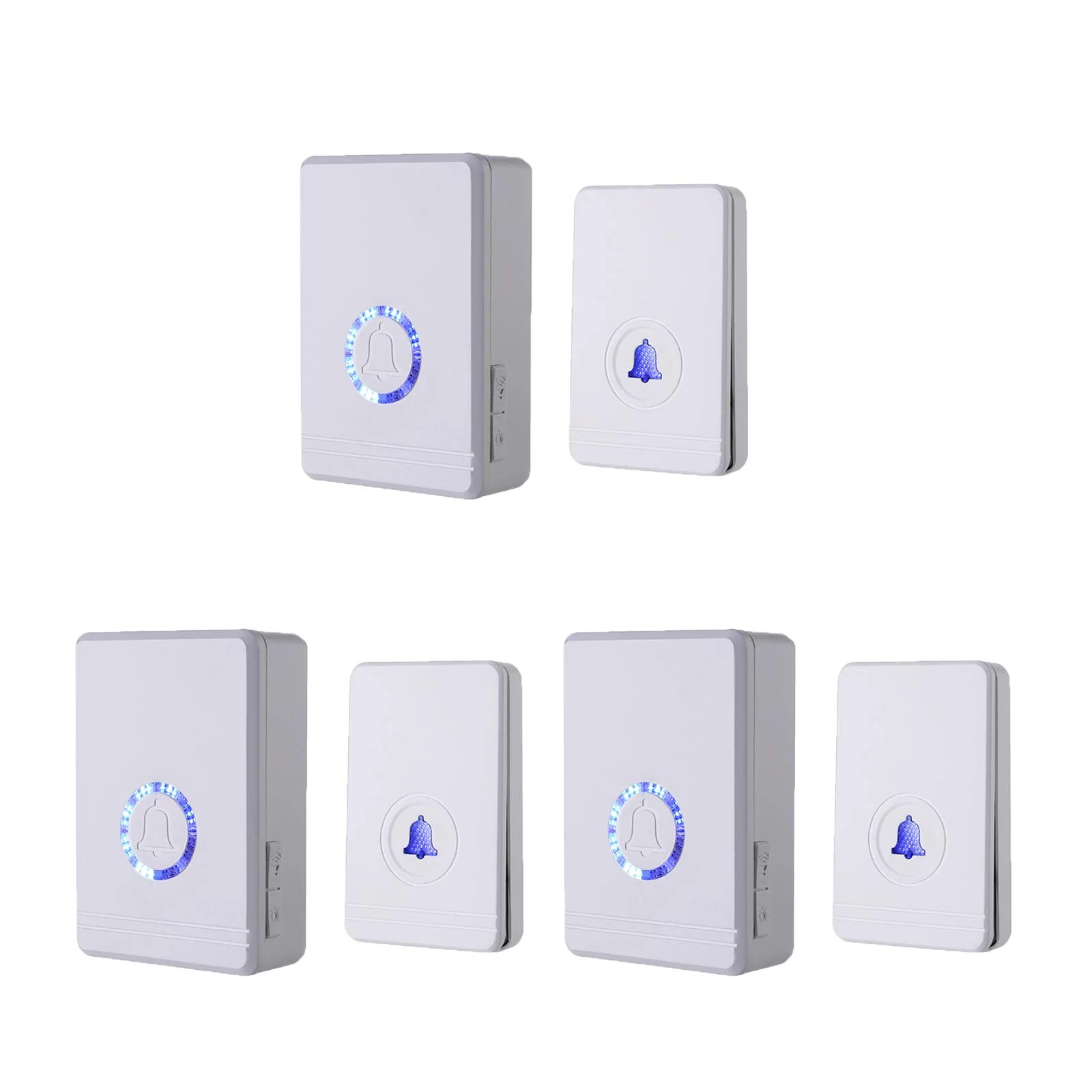
The best doorbell chimes do more than announce that someone is at the door. They help you hear alerts clearly without making every visitor sound like an interruption. Models with multiple tones and adjustable volume are especially useful because households, offices, and workshops have different acoustic needs throughout the day. A soft melody may suit an evening, while a louder, more distinctive alert can be easier to notice when appliances, conversation, or outdoor activity create background noise.
Why Adjustable Tones and Volume Matter
A fixed-volume chime can be frustrating in a home with mixed sound levels. It may be too loud near a bedroom, yet impossible to hear from a garage or upstairs office. Adjustable volume gives you a practical middle ground, allowing the same unit to work in several rooms without resorting to a separate notification device. Look for controls with several clearly separated levels rather than a single low-to-high slider that is difficult to set precisely.
Multiple tones are useful for personalization and recognition. A traditional ding-dong is easy to identify, while a longer melody may be more pleasant in a living area. If a chime supports separate sounds for different transmitters, you can distinguish a front entrance from a side door, gate, or delivery entrance. This feature is more valuable than having dozens of novelty sounds that are difficult to hear or quickly become irritating.
Choose sound for the room, not just the specification sheet
Sound quality depends on placement, wall materials, room size, and competing noise. A chime with a bright, clear midrange is often easier to recognize than one that is simply louder. In a large or open-plan space, a longer alert may carry better than a short electronic beep. For a bedroom or nursery-adjacent hallway, prioritize a low setting and a tone that does not have an abrupt, piercing high note.
Best Features for Customizing Doorbell Alerts
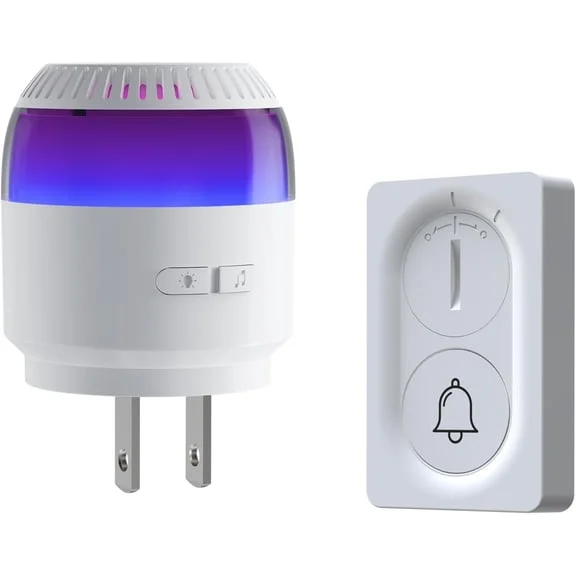
Start with the controls. The most useful doorbell chimes let you change tone and volume independently, save the chosen setting, and adjust the unit without removing it from the wall. A mute option or scheduled quiet period is helpful when you are working, sleeping, or hosting an event. Some units also provide a visual flash or indicator light, which can supplement the sound without requiring the chime to be played at maximum volume.
Power is another important consideration. Battery-powered receivers are easy to place but require periodic battery replacement. Plug-in receivers avoid that maintenance and are well suited to hallways or common areas with accessible outlets. If a model uses a proprietary rechargeable battery, check charging access and expected battery life before buying. A transmitter may use a replaceable cell, a sealed battery, or wired power, and those choices affect installation effort over time.
Wireless systems are usually the simplest option when running cable is impractical. However, Wireless does not automatically mean unlimited placement. Check the stated range under open-air conditions, then allow for walls, metal doors, concrete, foil-backed insulation, and nearby radio equipment. A range rating measured outdoors can be much greater than the dependable range inside a house. Models with plug-in repeaters or expandable receivers are worth considering when one doorbell must be heard in several distant areas.
Doorbell Chimes for Quiet Homes, Offices, and Noisy Spaces
Quiet homes benefit from fine volume control and calm tone choices more than extreme loudness. A receiver placed near bedrooms should have a genuinely low setting, not merely a quieter version of an aggressive alert. In an office, select a sound that is noticeable without dominating meetings or phone calls. A visual indicator can be particularly practical at a reception desk, where staff may be wearing headphones or handling continuous background noise.
Workshops, garages, commercial entrances, and homes near busy roads need a different approach. Choose a chime with a clear attack, adequate high-frequency detail, and enough output to compete with machinery or traffic. Placing more than one receiver is usually better than forcing a single unit to its loudest setting. One receiver near the main living space and another near the work area can improve coverage while keeping each location at a comfortable volume.
Visual design can matter when the receiver is installed in a prominent room. Neutral finishes are easiest to coordinate, but decorative options such as Gold or Purple may suit a particular interior. Treat color as a secondary choice after checking sound, controls, power, and compatibility. A visually attractive unit is not a good fit if its lowest setting is still disruptive or its alert cannot be heard where it is needed.
How to Avoid Range and Sound Quality Problems
Best Wired Doorbells of 2026 — Top 6 Amazon Picks Reviewed!
Before installation, identify every location where the chime must be heard and measure the approximate distance from the doorbell button. Pay attention to obstacles between those points. Metal security doors, masonry walls, detached garages, and electrical equipment can reduce reliability. If the receiver works only when placed near a particular window or doorway, that is a sign that the building is affecting the signal rather than the advertised range being realistic.
Pair the transmitter and receiver before permanently mounting anything. Test the button from the actual outdoor location, then test it at different times of day when other electronics are operating. Listen for missed alerts, delayed triggers, distorted melodies, or a receiver that resets after a power interruption. A model that supports memory retention is preferable because it will not return to an unwanted tone or volume after a brief outage.
Compatibility deserves special attention when replacing an existing wired doorbell. Some receivers are designed for a particular voltage range or transformer arrangement, while others are intended only for a self-contained wireless button. Brands such as ADT, Craftmade, and Friedland may appear in existing doorbell installations, but brand recognition alone does not guarantee that a new receiver or transmitter will pair with the old system. Confirm wiring, frequency, pairing method, and power requirements rather than relying on appearance.
Choosing the Best Chime for Multiple Doors
For two or more entrances, look for a system that supports multiple transmitters and assigns different tones to each one. The distinction should be obvious from another room; two nearly identical melodies provide little practical benefit. Also check whether one receiver can remember separate settings for each button or whether the selected tone applies globally. If the system cannot identify doors clearly, adding multiple receivers may be more useful than adding more sound options.
Consider the physical layout before deciding how many receivers to buy. A compact home may need only one centrally located unit, while a property with a basement, upper floor, detached workspace, or garden gate may need several. Expansion is easier when additional receivers and transmitters are sold separately and can be paired without replacing the original kit. Confirm the maximum number of supported devices, since some systems limit expansion even when their packaging emphasizes multi-door use.
The best doorbell chime is therefore the one that fits your listening environment and daily routine. Prioritize independently adjustable tone and volume, dependable range through your walls, straightforward pairing, and a power system you are willing to maintain. For a quiet home, low-volume control and a gentle alert should lead the decision. For a noisy property, prioritize clarity, receiver placement, and expansion rather than choosing the loudest specification alone. Taking those factors together produces a more reliable and less intrusive doorbell setup.