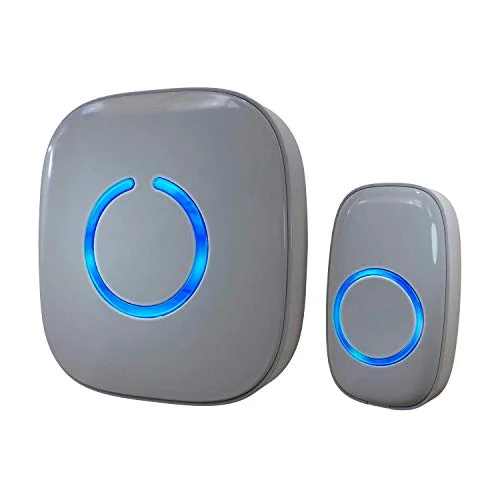
Best Wireless Doorbell Chimes for Large Homes and Multiple Floors
The best wireless doorbell chimes for a large home need to do more than produce a pleasant sound near the front door. They must carry a dependable signal through floors, walls, garages, and exterior spaces while making the alert easy to hear from bedrooms, offices, basements, and outdoor areas. A strong setup may use several plug-in receivers, adjustable volume, multiple doorbell buttons, or a combination of these features. The right choice depends less on the square footage printed on the box than on the layout and construction of your home.
What to Look for in a Doorbell Chime for a Large Home
Start with the claimed wireless range, but treat that number as an outdoor or unobstructed maximum rather than a guarantee. Thick masonry, metal doors, foil-backed insulation, appliances, and dense flooring can reduce practical coverage. A model advertised for a long distance may perform well in an open yard yet need receiver placement adjustments inside a three-story house. Look for a range comfortably beyond the distance between the button and the farthest receiver, especially if the signal must pass through several walls or floors.
Volume control is equally important. A chime that sounds clear in a hallway may be difficult to hear in a laundry room, finished basement, or upstairs bedroom. Choose a model with several volume levels rather than a single loud setting. Adjustable volume also helps avoid an unnecessarily disruptive alert during quiet hours. Some doorbell chimes include a mute mode or visual notification, which is useful when a sleeping child, home office, or gathering makes a loud tone inconvenient.
Sound selection can matter in a large home because different tones are easier to recognize in different rooms. A short, bright tone may cut through background noise better than a long melody, while a softer option may be preferable near a nursery or bedroom. If several entryways use the same system, distinct sounds for the front door, side door, and back entrance can help identify where someone is waiting without checking a phone or camera.
Best Wireless Doorbell Chime Features for Multi-Story Houses
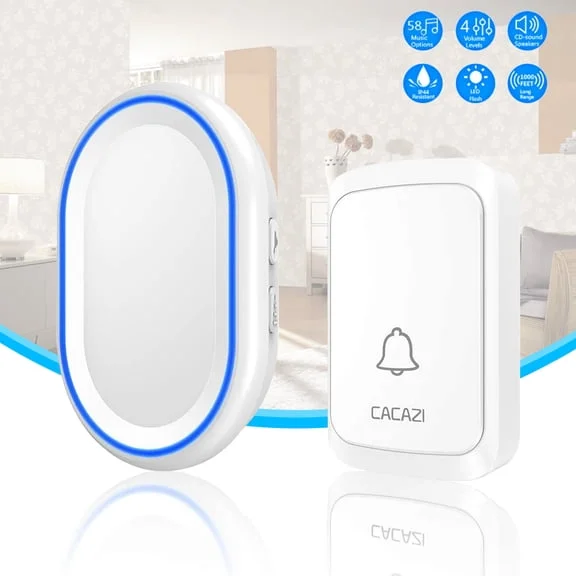
For multiple floors, prioritize systems that support more than one receiver. A plug-in receiver on each level is usually more effective than relying on one exceptionally loud unit. Place one near the main living area, another near bedrooms or a home office, and a third near a basement, workshop, or rear exit if those spaces are regularly occupied. Wireless receivers are easier to reposition than wired chimes, so you can adjust the arrangement after testing the signal in real conditions.
Portability is another useful feature. A receiver that can be moved between rooms allows you to carry the alert to a patio, garage, or garden while working outside. Battery-powered receivers offer the most flexibility, although they require regular battery checks. Plug-in units are more convenient for permanent locations and avoid battery replacement, but each outlet should be chosen with signal strength and everyday usability in mind.
A memory function that retains the selected tone and volume after a power interruption is a practical advantage. Pairing capacity also deserves attention. If you expect to add a second button later, confirm that the system can connect multiple transmitters and receivers rather than assuming all wireless doorbell chimes are expandable. Clear pairing instructions are especially valuable when several devices are being installed at once.
How Range, Volume, and Receiver Placement Affect Coverage
Receiver placement can improve performance more than simply choosing the model with the largest stated range. Keep receivers away from large metal objects, Wi-Fi equipment, electrical panels, and enclosed cabinets. An interior wall near a staircase can be a useful location because it may provide a more open signal path between floors. Avoid placing the only receiver in a room with a closed door, where its sound may be muffled and its wireless path may be unnecessarily obstructed.
Test each location with the doors closed and the household operating normally. Run the doorbell from the front entrance, side entrance, driveway, and any other button location, then listen from the rooms where the alert matters most. A receiver may pair successfully during setup but become unreliable when positioned behind a refrigerator or at the far end of a basement. If a spot is marginal, moving the receiver a few feet can sometimes make a noticeable difference.
Do not solve every coverage problem by turning the volume to maximum. Excessive volume can sound harsh and still fail to reach a room separated by several walls. Multiple moderate-volume receivers usually provide more even coverage than one loud receiver. For outdoor areas, consider whether the receiver is rated for the location; many indoor plug-in units should not be placed in damp porches, unprotected garages, or exposed garden areas.
Recommended products
Use these catalog picks as a shortlist for best wireless doorbell chimes for large homes and multiple floors. Compare measurements, materials, and return terms side by side instead of buying from a photo alone.

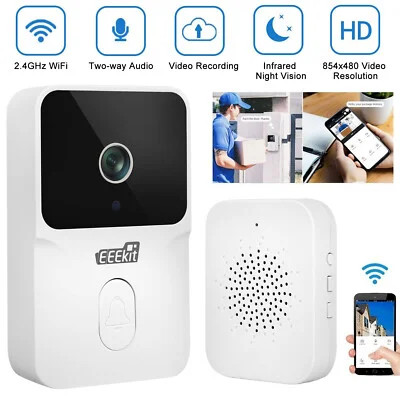
Doorbell Chime Options for Multiple Buttons and Entryways
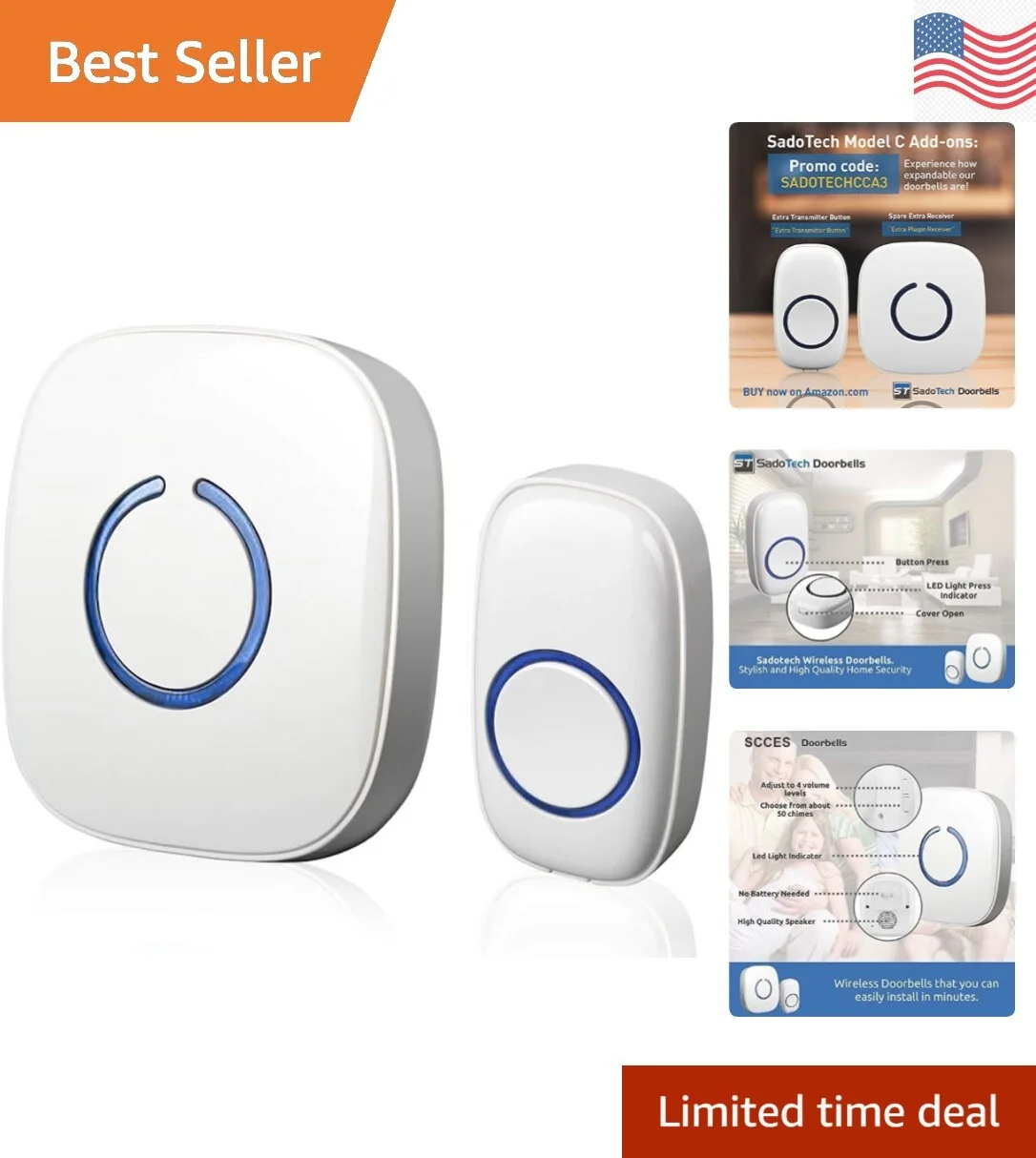
Homes with a front door, side entrance, garage entry, and back door benefit from a system that supports several buttons. Before buying, check whether one receiver can be paired with multiple transmitters and whether each transmitter can use a different tone. This distinction is important: a system may support several buttons but play the same sound for all of them, which is adequate for simple notification but less helpful when you need to know which entrance is being used.
Pairing controls should be straightforward enough to manage after a battery change or power reset. Label each button during installation and document which tone belongs to each entrance. If visitors, deliveries, or household members commonly use more than one door, distinct tones reduce confusion. For a long driveway or detached garage, verify the signal from the actual button location rather than measuring only the indoor distance.
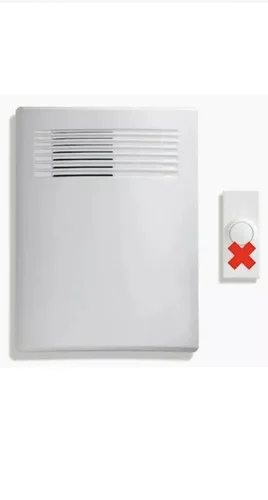
Established options from Honeywell, Nutone, and SadoTech may appear in comparisons of wireless and expandable doorbell systems, but brand name alone should not determine the purchase. Compare the supported number of buttons, receiver count, range conditions, volume levels, power method, and warranty information. Specifications are most useful when matched to your floor plan instead of treated as a universal ranking.
How to Choose the Right Model for Your Home Layout
For a compact two-story home, one button and two plug-in receivers may be enough. A wide ranch house often needs receivers at opposite ends of the building because distance across one floor can be more challenging than distance between floors. A split-level home may need a receiver near the central landing, while a property with a basement and detached garage may require a system designed for several transmitters and a generous real-world range.
When comparing catalog picks, weigh the pros and cons against your layout rather than choosing the loudest or longest-range claim. A model with many tones and a lower price may be attractive, but it may offer fewer receivers or limited expansion. A more expandable system can cover multiple entryways better, although it may cost more and take longer to configure. A compact battery receiver is flexible for patios and garages, while a plug-in receiver is simpler for permanent indoor coverage.
Appearance can also influence where a receiver is acceptable in a finished room. Neutral finishes such as Silver may blend into modern interiors, while a Green option may suit a garden room or outdoor-themed space if the unit is approved for that environment. These color choices are secondary to coverage and safety, but they can make a difference when receivers will remain visible in a hallway, kitchen, or Home & Garden workspace.
Finally, check the return policy before installing permanent hardware. Wireless performance depends on building materials and interference, so a system that looks ideal on paper may not cover every room in practice. Buy enough receivers for the spaces that genuinely need an alert, test every entrance, and keep the installation flexible until you have confirmed reliable operation. With the right combination of range, placement, volume, and expansion support, doorbell chimes can provide consistent coverage throughout a large home without forcing every visitor alert through a smartphone.
FAQ: Best Wireless Doorbell Chimes for Large Homes and Multiple Floors
What is the best wireless doorbell chime for a large house?+
The best wireless doorbell chime for a large house has long transmission range, adjustable volume, and multiple plug-in receivers. Choose a model that supports extra doorbell buttons or receivers if you need coverage across several floors and entryways.
How many wireless doorbell chime receivers do I need for a multi-story home?+
Many large homes need one receiver on each main floor, with additional units near bedrooms, offices, or distant entrances. Place receivers where the chime can be heard clearly without being blocked by thick walls, metal appliances, or enclosed utility areas.
What wireless doorbell chime has the longest range for a large home?+
Look for a model with a stated open-air range that exceeds the distance between your farthest button and receiver, since walls and floors reduce real-world performance. Concrete, brick, metal, and dense insulation can shorten the usable range, so test placement before permanently installing the button.
Can one wireless doorbell chime work with multiple doorbell buttons?+
Many wireless doorbell chimes support multiple buttons, allowing separate entrances to use the same receiver system. Look for models with distinct tones or indicator lights for each button if you want to tell the front, side, or back entrance apart.
Where should I place wireless doorbell chime receivers in a large house?+
Place receivers in central, open areas on each floor where people spend time, rather than inside cabinets or behind thick walls. For bedrooms or upper floors, use a dedicated receiver nearby and set the volume high enough to hear without causing unnecessary noise throughout the home.