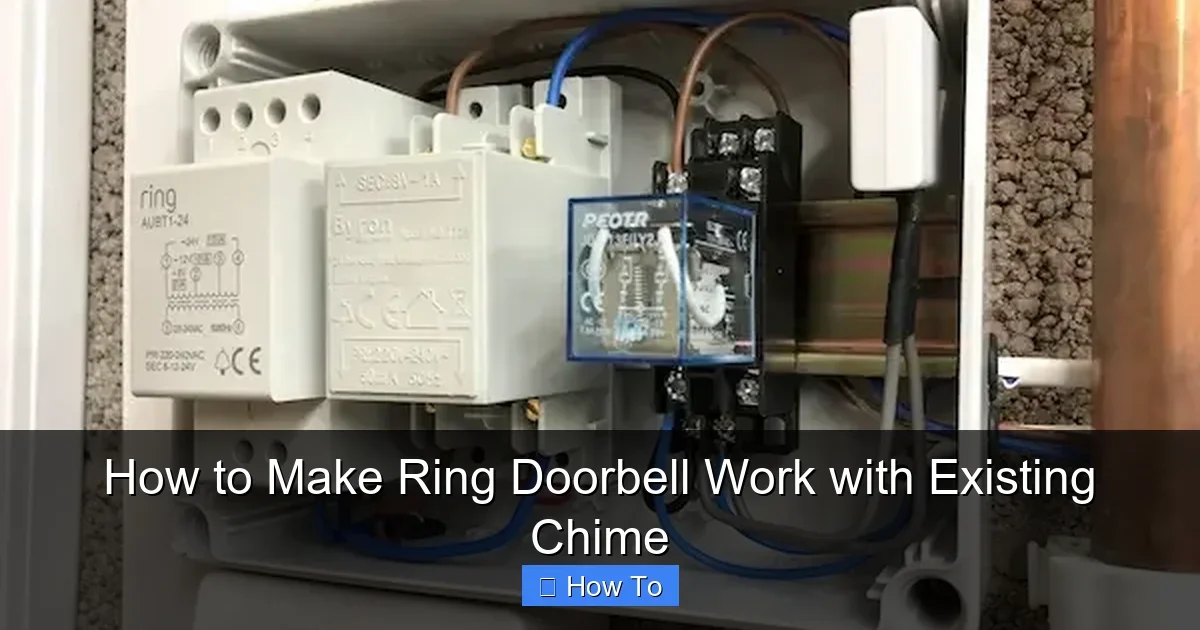
How to Choose a Doorbell Chime That Works With Your Existing Doorbell
The right doorbell chime should make your existing doorbell more useful, not create a new wiring or compatibility problem. Before buying, identify whether the system is wired or wireless, confirm the voltage and transformer requirements, and check whether your doorbell button or video doorbell needs a special chime adapter. Mechanical, digital, plug-in, and smart-compatible doorbell chimes can all work well, but they are not interchangeable in every installation.
Identify Whether Your Doorbell System Is Wired or Wireless
Start by tracing how the current doorbell receives power. A wired system normally has a push button outside, low-voltage wires running to an indoor chime, and a transformer connected to the home electrical system. The chime may be mounted near the entryway or in a central hallway. If removing the chime cover reveals two or more small wires connected to screw terminals, it is probably a wired system, although you should still verify the voltage before replacing it.
A wireless doorbell button sends a radio signal to a receiver that plugs into an outlet or runs on batteries. There may be no wire connecting the exterior button to the indoor chime. Wireless systems are often easier to move between rooms, while wired systems avoid replacing button batteries and can provide a more consistent connection. A wireless receiver generally must be paired with the specific transmitter, so buying a generic wireless chime is unlikely to work with an existing button.
Look beyond the indoor chime
The button, transformer, wiring, and indoor sounder are all Doorbell Parts in the same circuit. Replacing only one part can expose an existing limitation. For example, a worn button may be causing intermittent operation, while a transformer that is too weak may make a digital chime restart or remain silent. If the system has more than one entrance, determine whether the existing chime supports separate front and rear-door tones.
Check Voltage, Transformer, and Wiring Compatibility
Read the label on the existing transformer or the specifications for the doorbell and chime. Common wired doorbells use low-voltage AC, but the required range varies by model. The new chime must accept the transformer’s output, and the transformer must provide enough power for the doorbell button, chime, and any connected smart device. Never connect a low-voltage chime directly to household mains electricity.
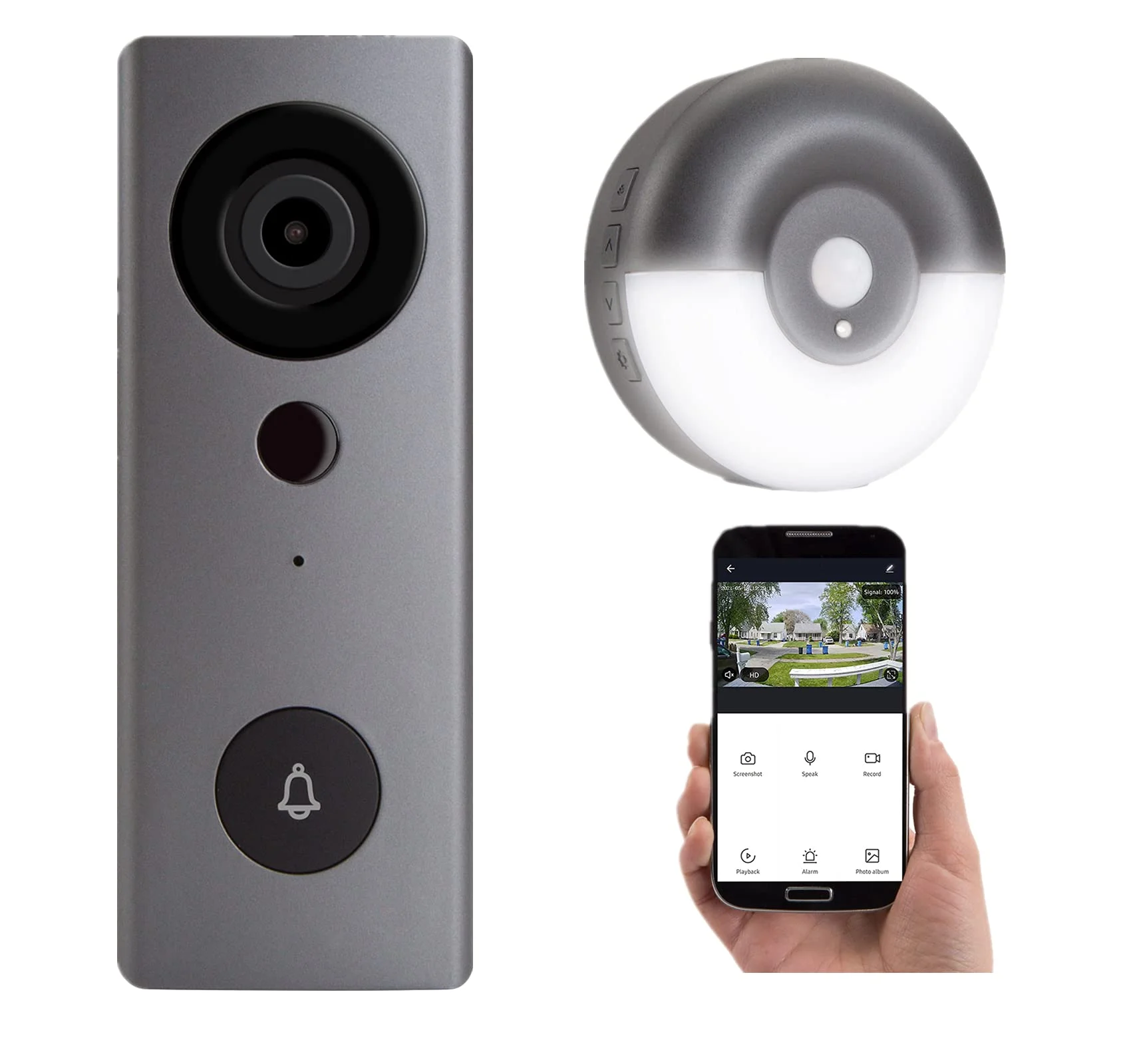
Smart and video doorbells can draw more power than a traditional push button. Some require a higher-capacity transformer, a supplied bypass cable, or a proprietary chime connector. If a video doorbell is already installed, check its compatibility list rather than assuming that a standard wired chime will work. A digital chime may need a manufacturer-approved adapter to prevent buzzing, missed rings, or constant activation.
Inspect the condition and length of the existing wiring before selecting a replacement. Frayed insulation, loose terminal screws, corrosion, or very thin conductors can cause unreliable operation. Photograph the terminal connections before disconnecting anything, and label the wires if more than two are present. Wire colors are not a reliable substitute for tracing the circuit, especially in older homes.
Compare Mechanical, Digital, and Plug-In Chimes
Mechanical chimes use a physical striker and metal tubes or bars to create the familiar ding-dong sound. They are simple and often easy to maintain, but they need enough current to move the mechanism and may offer only one or two tones. Decorative models made with materials such as Cast Iron can suit a traditional entryway, although their weight and mounting requirements deserve attention before installation.
Digital chimes use a speaker to play selectable tones, melodies, or recorded sounds. They can provide adjustable volume and may support separate sounds for different doors. Their flexibility is useful in a larger Home where a conventional chime is difficult to hear, but electronics make voltage and polarity requirements more important. A digital unit can also sound less natural than a mechanical model if its speaker is small or poorly placed.
Yes, connect Reolink Video Doorbell v1 to existing chimes!
Plug-in wireless chimes are a practical choice when running new cable would be disruptive. Many let you move the receiver between rooms, add extra receivers, or choose from several volume levels. The main limitations are outlet availability, radio range, battery maintenance at the exterior button, and compatibility with the existing transmitter. Confirm the pairing method and stated range through walls rather than relying on the open-air distance.
Choosing among catalog picks
When comparing the four catalog picks later in this guide, use a pros-and-cons approach rather than judging appearance alone. Check whether each option matches your wired or wireless system, its voltage range, installation complexity, sound and volume controls, and support for multiple doors. A lower-priced chime may be suitable for a straightforward replacement, while a more adaptable model may be worthwhile if you need extra receivers, smart-doorbell support, or adjustable tones.
Recommended products
Use these catalog picks as a shortlist for how to choose a doorbell chime that works with your existing doorbell. Compare measurements, materials, and return terms side by side instead of buying from a photo alone.
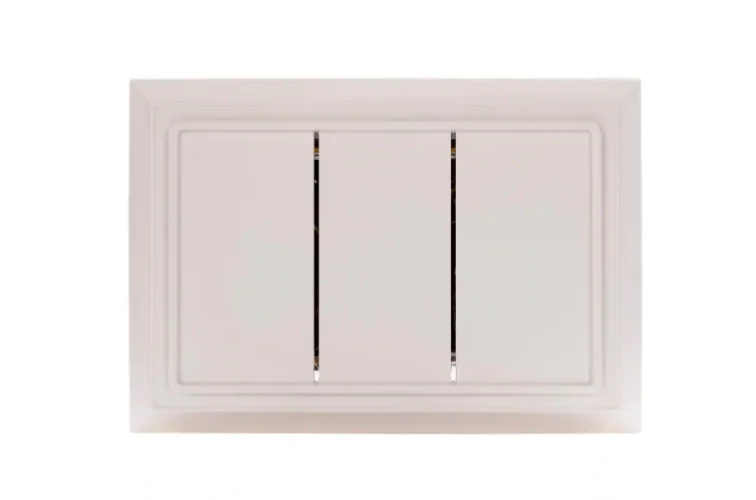

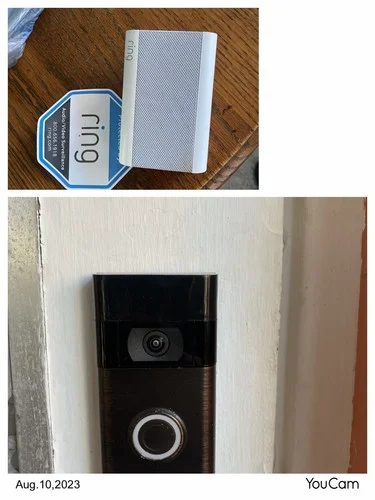
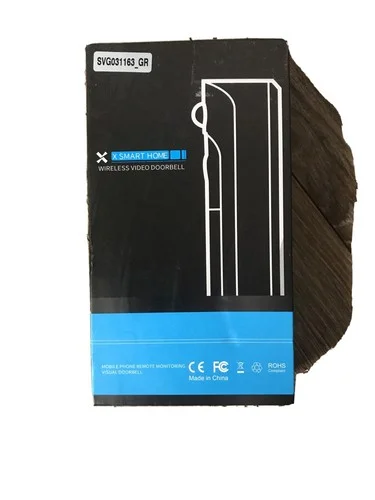
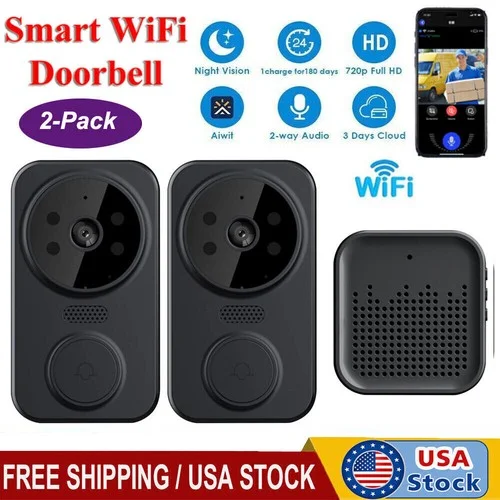
For a wireless setup, brands such as AVANTEK, Ace, and GE may appear in different categories of doorbell equipment, but brand recognition does not guarantee cross-compatibility. Match the transmitter and receiver specifications for the exact model. For a wired system, compare terminal layout and electrical requirements first, then consider design, sound, and finish.
Match the Chime With Smart Doorbells and Video Doorbells
Smart doorbells introduce features that a basic chime may not support. Some video doorbells can connect to an existing mechanical chime, while others work only with a digital chime adapter or the manufacturer’s own plug-in receiver. A compatible setup may allow the doorbell to ring both the indoor chime and a phone, but app alerts do not compensate for an incorrectly powered physical chime.
Check whether the smart doorbell uses a normally open or normally closed circuit and whether the chime kit includes a jumper or power module. Do not remove an included adapter simply because the old chime worked without one. Also consider Wi-Fi reliability, notification delay, and privacy settings separately from the audible chime. A strong indoor ring remains useful when a phone is muted, out of reach, or disconnected.
Test and Install the New Doorbell Chime Safely
Before touching a wired chime, switch off the relevant circuit at the breaker and verify that the system is not energized. A doorbell circuit is usually low voltage, but the transformer’s primary side connects to household electricity. If the transformer is inside an electrical box or you cannot confidently identify the low-voltage terminals, use a qualified electrician instead of guessing.
Compare the new mounting holes with the old ones, connect each labeled wire to the correct terminal, and keep bare conductors from touching one another. Restore power only after the cover is secured. Press the doorbell once and wait for the full chime cycle before testing again. Repeated rapid presses can make some digital models appear faulty when they are simply completing a programmed sound.
For wireless models, pair the button and receiver close together first, then test them from the intended locations. Check operation through closed doors and walls, and listen from the rooms where the sound matters most. If the signal is unreliable, reposition the receiver, replace the button battery, or choose a model with an additional receiver rather than placing the unit where the ring cannot be heard.
A successful replacement is one that matches the power system, works with the existing button or smart doorbell, and can be heard throughout the house. By treating compatibility as the first decision and style as the second, you can narrow the doorbell chimes market quickly and avoid buying a unit that looks right but cannot operate safely with your existing installation.
FAQ: How to Choose a Doorbell Chime That Works With Your Existing Doorbell
How do I know whether my existing doorbell needs a wired or wireless chime?+
Check whether the current chime is connected to low-voltage wires. Wired doorbell chimes use terminals and a transformer, while wireless chimes pair with a button or video doorbell without a chime wire. If your doorbell has no visible wiring, check the manufacturer’s specifications before buying.
What voltage should I check before buying a doorbell chime?+
Read the voltage range printed on the existing chime, transformer, or doorbell documentation, commonly 8–24 volts for wired systems. The replacement chime must match the transformer output and the doorbell’s requirements. Turn off power before inspecting wiring, and ask an electrician if the voltage is unclear.
Can I replace a mechanical doorbell chime with a digital one?+
Often, but compatibility depends on the system’s voltage, wiring, and transformer capacity. Digital chimes may need a compatible adapter or diode, while mechanical chimes typically use a straightforward wired connection. Compare the installation instructions with your existing terminals before purchasing.
Will a new doorbell chime work with a smart or video doorbell?+
Only if the smart doorbell supports an external or existing chime and matches its wiring requirements. Some models require a manufacturer-provided chime adapter, while others work with a wireless plug-in chime instead. Check the exact doorbell model’s compatibility list rather than relying on the connector shape alone.
How can I safely install and test a replacement doorbell chime?+
Switch off the doorbell transformer or circuit before disconnecting wires, label each wire, and connect them to the matching terminals in the new chime. Restore power, test the button, and confirm that the chime sounds consistently from every doorbell. If wires are damaged, the transformer overheats, or the system does not work, stop and contact a qualified electrician.