How to Choose Doorbell Chimes for Rams Head On Stage Event Nights
A night at a live music venue often means leaving home during the hours when deliveries, neighbors, or guests may arrive. The right doorbell chimes can make it easier to notice an alert before you leave and to check what happened when you return. For anyone planning Rams Head On Stage events, the best choice balances clear sound, practical placement, and dependable operation rather than simply selecting the loudest model available. Start by considering your home’s layout, the distance between the entry and the rooms where you spend time, and whether you need an alert that can be heard outdoors or in a basement.
What to Look for in Doorbell Chimes Before a Rams Head On Stage Event
Before comparing individual doorbell chimes, map out the moments when you are most likely to miss a notification. A chime may be difficult to hear from a closed bedroom, a garage, a backyard, or a room with a television running. Walk through the home and identify those locations. If you are buying for a concert night, also consider whether someone will remain at home and whether they need an alert in a specific room. A plug-in receiver, an additional speaker, or a connected phone notification may solve a coverage problem more effectively than increasing the volume everywhere.
Think about the doorbell button and receiver as one system. Wired models can be a tidy choice when existing wiring is reliable, while wireless sets are useful when the entryway or interior layout makes new wiring inconvenient. Check compatibility with the current transformer or chime wiring before replacing a wired unit. For wireless systems, review the stated range, battery requirements, and whether walls or metal structures can reduce performance. If you are still deciding how to spend the evening, checking local listings for events in Annapolis can help you plan departure and return times around your home’s alert needs.
Comparing Volume, Tone, and Installation Options

Volume is important, but maximum loudness is not the only measure of usability. Look for adjustable volume so the chime can be heard from a distant room without becoming startling near the receiver. A sound with a clean attack and distinct ending is often easier to recognize than a harsh tone played at high volume. If your household includes light sleepers, children, pets, or people sensitive to sudden noise, a moderate setting and a more relaxed sound may be preferable.
Tone selection matters when a home contains several alerts. Many models offer a Melody/Tune menu with short melodies, traditional bells, or simple electronic tones. Choose one that is clearly different from a phone notification, smoke alarm, or appliance signal. Test it at different times of day, because a tone that seems obvious in a quiet room may blend into conversation or background music. A model that allows separate sounds for different doors can also make it easier to tell whether the front, side, or back entrance was used.
Installation requirements vary considerably. Wired doorbell chimes may offer a discreet appearance, but installation can involve turning off power, checking voltage, and working with existing conductors. Wireless units typically require mounting the button and plugging in or positioning the receiver. If you are not comfortable identifying low-voltage wiring, hire a qualified installer rather than guessing. Brands such as Ring may also combine doorbell hardware with app-based alerts, so confirm whether the selected chime works independently, depends on Wi-Fi, or requires a particular hub.
Wireless Doorbell Chimes for Flexible Placement
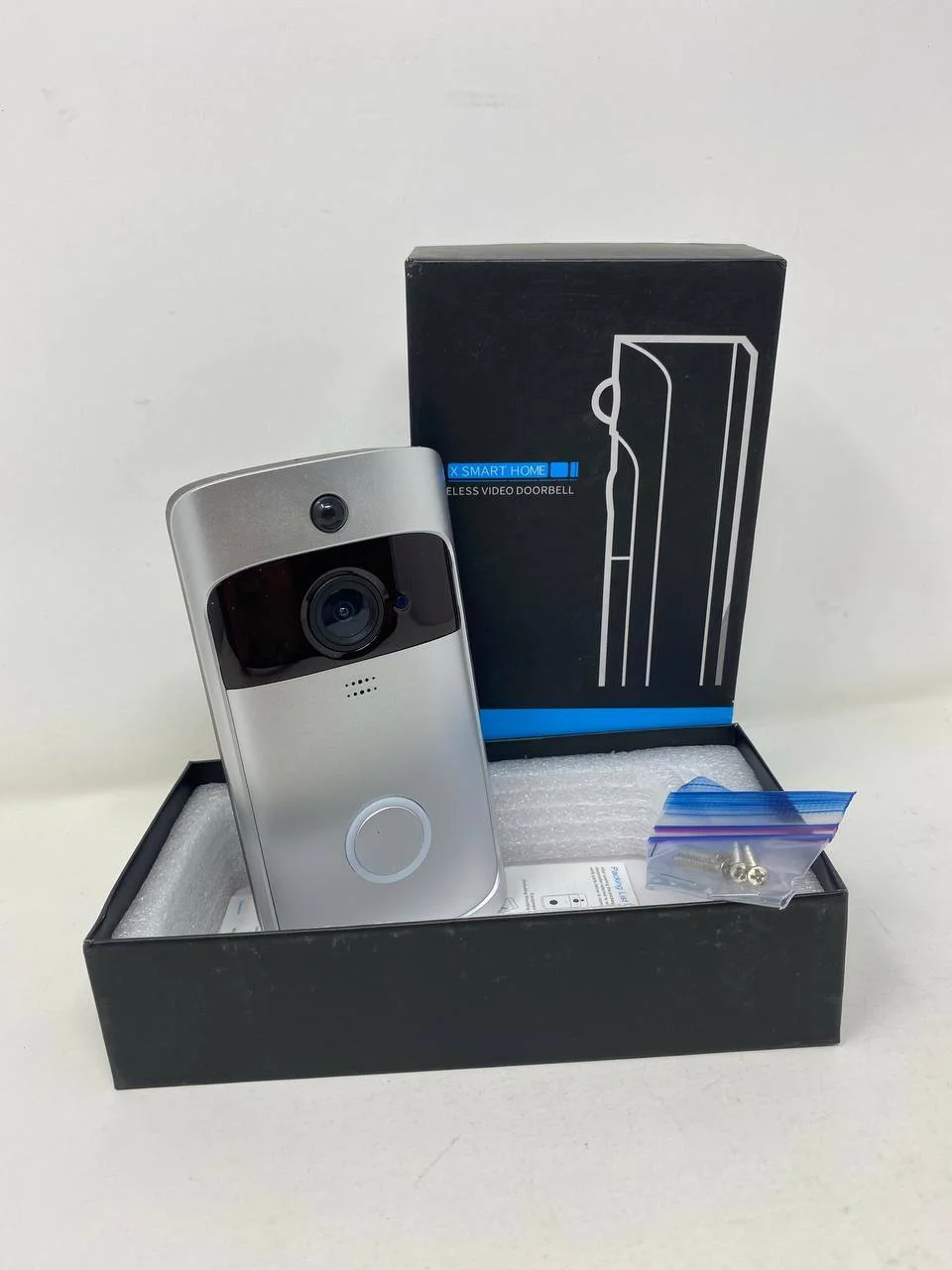
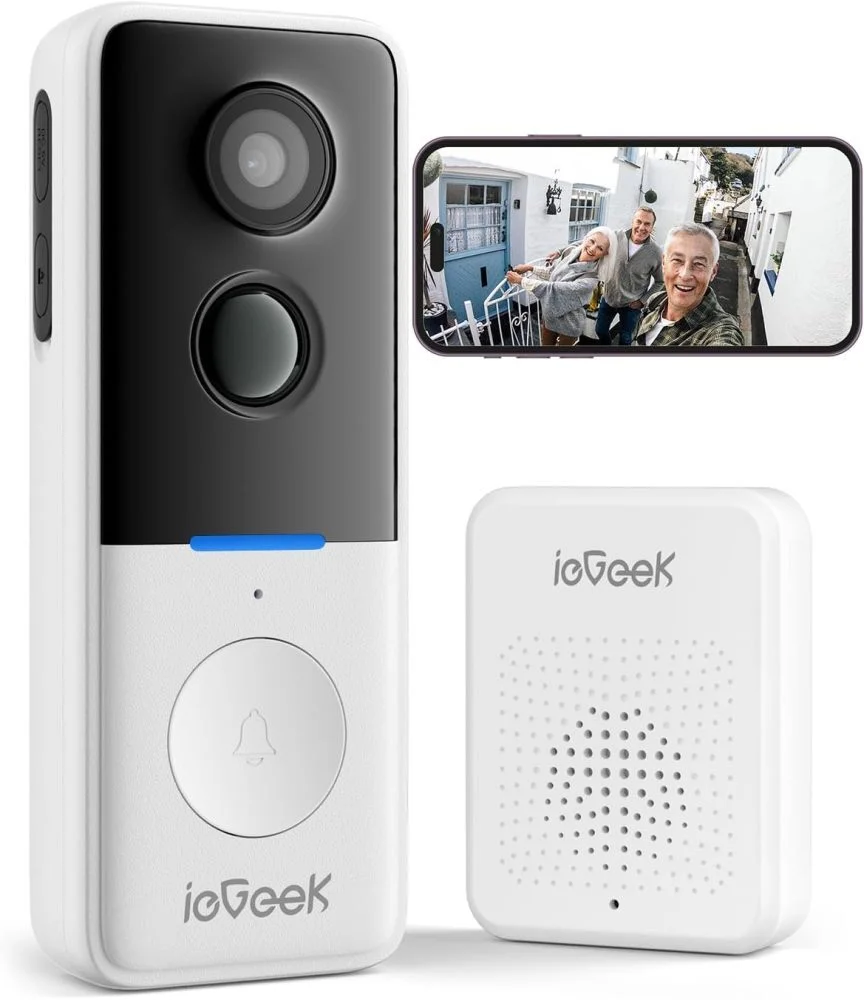
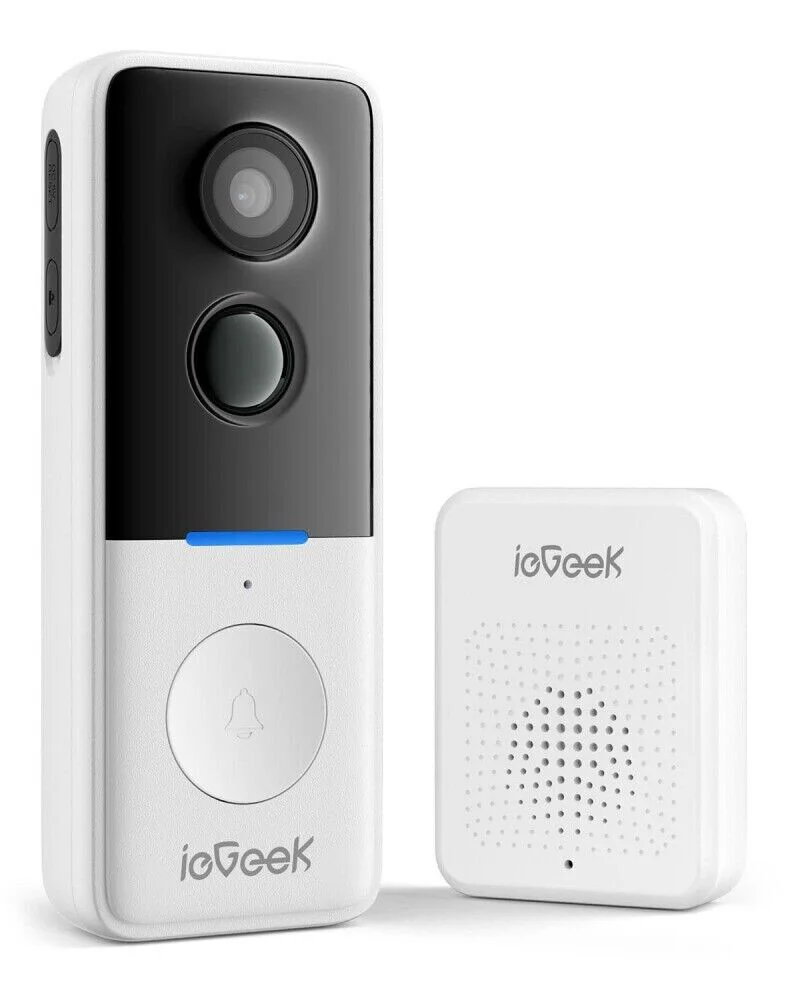
Wireless doorbell chimes are especially practical when you want to move an alert closer to a kitchen, office, patio, or upstairs room. Portable or plug-in receivers can be placed where they are most useful, although a permanent outlet location may limit flexibility. Measure the path between the button and receiver rather than relying only on a straight-line distance printed on the package. Dense walls, foil-backed insulation, appliances, and metal doors can all affect a wireless signal.
Battery planning is part of wireless ownership. Check whether the button uses a common replaceable battery, a rechargeable battery, or a sealed cell. Replace or recharge it before a planned evening out, and keep a spare if the model uses a readily available size. Some systems provide low-battery notifications, but do not assume an app alert will arrive if the home network is down. A basic receiver that continues to sound locally can be valuable as a backup.
When comparing construction, focus on the places where the equipment will be exposed. An outdoor button should be rated for the weather conditions at your entrance, while an indoor receiver should have ventilation and a secure plug fit. Color can be a small but useful consideration: an Orange status light or button accent may be easy to spot during setup, but bright indicators can be distracting in a dark hallway. Prioritize readability and visibility over decorative styling.
How to CHANGE the Different Melody Chimes on Masterplug Door Bell - Beginners guide
Tips for Minimizing Missed Alerts While You’re Out
Before leaving for Rams Head On Stage in Annapolis, perform a short alert test. Press the button once and listen from the rooms where someone may be staying. Then close interior doors, turn on normal background noise, and repeat the test. If the sound disappears in one area, relocate the receiver or add a compatible unit. Avoid placing a receiver behind furniture, inside a cabinet, or beside a loud appliance, since those locations can muffle the signal even when the radio connection is strong.
If your doorbell connects to a phone, confirm that notifications are enabled, the app is signed in, and the device is not blocking alerts through a focus or do-not-disturb setting. A phone notification should supplement, not replace, an audible indoor receiver when immediate awareness matters. Ask a trusted person to check the system after installation, and review any camera or visitor settings that could delay an alert. These simple checks reduce the chance that a missed chime becomes a missed delivery or an unanswered visitor.
Doorbell Chime Features Worth Paying For
Spend more when a feature solves a specific problem in your home. Adjustable volume, multiple receivers, a reliable low-battery indicator, and a clear selection of tones are generally more useful than a large library of novelty sounds. A visual flash can help people who do not always hear an audible alert, while a mute or sleep schedule can prevent interruptions at selected times. If you need multiple buttons, look for a system that identifies each entrance without requiring complicated programming.
Smart integration can be worthwhile when you already use connected-home equipment, but it adds dependencies. Review subscription requirements, Wi-Fi compatibility, privacy controls, and what happens if the internet connection fails. A local chime should remain useful even when cloud features are unavailable. For wired installations, confirm voltage specifications and terminal compatibility; components from familiar electrical suppliers such as Thomas & Betts may be encountered during a broader wiring project, but brand recognition alone does not guarantee that a part is suitable for your particular doorbell circuit.
Finally, judge the chime by how naturally it fits your routine. Zenith-style simplicity—choosing a straightforward, dependable setup over unnecessary extras—can be the right approach for a small home, while a larger property may benefit from several receivers and a phone alert. Test the system before an event night, keep batteries current, and place receivers where people actually spend time. With those steps complete, you can enjoy the music and atmosphere while maintaining a practical way to know when someone is at the door.