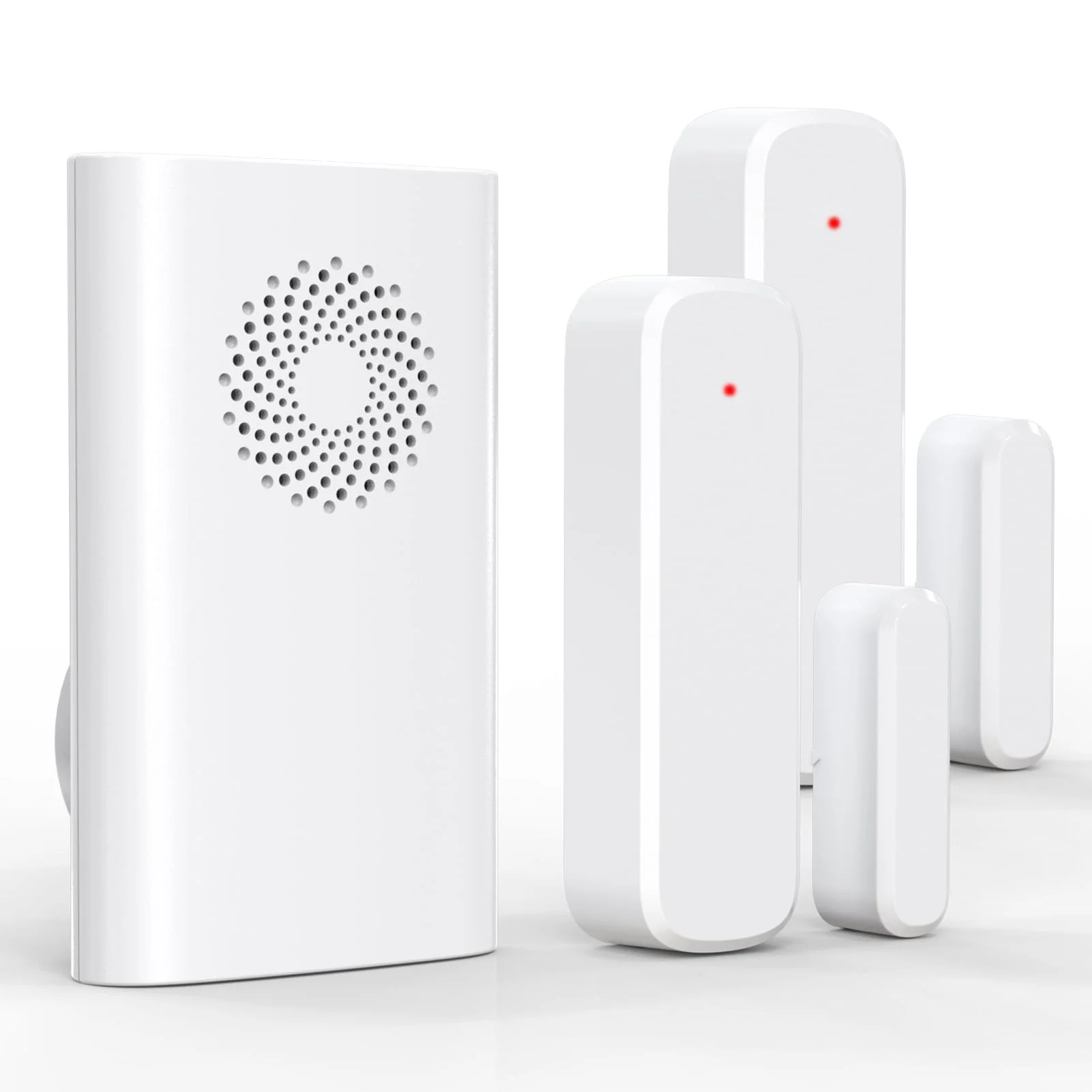
Choosing among today’s doorbell chimes is less about finding the loudest sound and more about matching the system to your home’s wiring, layout, entry points, and daily routines. Wired and wireless models can both provide clear alerts, but they differ significantly in installation, power, range, maintenance, and compatibility. This guide explains those differences so you can shop with realistic expectations rather than relying on appearance or a long list of selectable melodies.
How Wired and Wireless Doorbell Chimes Work
A wired doorbell system connects the exterior button to an indoor chime through low-voltage wiring. In a traditional setup, household electricity is reduced to a safer low voltage by a transformer, then routed through the button and chime. Pressing the button completes the circuit and activates a mechanical bell, electronic speaker, or both. Some newer wired systems are designed to work with video doorbells, but compatibility depends on the doorbell’s voltage, power draw, and included wiring requirements.
A wireless doorbell uses a radio signal instead of a continuous wire between the button and receiver. The button is usually battery powered, while the indoor receiver may use batteries, a wall outlet, or either option. When someone presses the button, the transmitter sends a signal to the chime unit, which plays the selected sound. This arrangement makes it easier to add a receiver in another room, although the stated range is measured in open space and can be reduced by walls, metal, masonry, and interference from other electronics.
Wired Doorbell Chime Advantages and Limitations
The main advantage of a wired chime is dependable power. Because the indoor unit is connected to the home’s electrical system through the low-voltage circuit, you do not normally need to replace receiver batteries. This makes wired systems appealing for households that want a set-and-forget installation, particularly when the home already has functional doorbell wiring. A wired connection also avoids the radio-range concerns that can affect a wireless button and receiver.
Wired models can offer a familiar mechanical tone, an electronic selection of sounds, or adjustable volume. They may also provide a cleaner appearance because there is no visible battery compartment or separate plug-in receiver. However, installation can be inconvenient when the original wiring is damaged, inaccessible, or absent. Running new cable through finished walls may cost more than the chime itself, and locating or replacing a faulty transformer can add another step.
Before buying, check whether the existing transformer meets the doorbell manufacturer’s specifications. A chime can fail to operate correctly if the transformer supplies too little power, while some smart doorbells require a bypass, adapter, or compatible digital chime. If your home has two entry buttons, confirm that the selected chime supports multiple circuits and can distinguish front and rear doors with different tones.
Wireless Doorbell Chime Advantages and Limitations
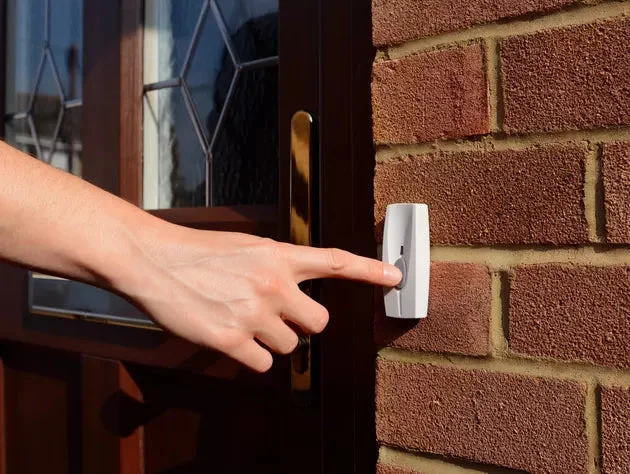
Wireless doorbell chimes are usually the easier choice for renters, older homes, detached workshops, and locations where running cable would be disruptive. Installation commonly involves mounting the button, plugging in or positioning the receiver, and pairing the two units. Many systems let you add extra receivers, making it possible to hear the doorbell upstairs, in a basement, or at the far side of a larger home.
Wireless systems also provide flexibility when the front entrance changes. You can move a receiver without opening a wall, and some models allow multiple buttons to use different sounds. Brands such as SadoTech offer wireless formats with selectable melodies and receiver arrangements suited to different room layouts. Even when a product lists a substantial range, treat that number as an ideal maximum rather than a guarantee through several interior walls.
The trade-off is maintenance and signal dependence. Battery-powered buttons need periodic battery replacement, and cold weather can reduce battery performance at an exposed entrance. Plug-in receivers avoid one type of battery maintenance, but they occupy an outlet and may be less convenient in rooms where outlets are scarce. Wireless chimes can also be affected by thick brick, metal doors, reinforced concrete, nearby transmitters, or a receiver placed inside a cabinet.
A wireless model is not automatically compatible with every existing doorbell button or smart doorbell. Some use a proprietary pairing system, while others are designed only as a complete kit. If you want to retain an existing wired button, verify that the new receiver accepts its signal or choose a system specifically rated for that arrangement.
Installation, Range, and Power Requirements Compared
Recommended products
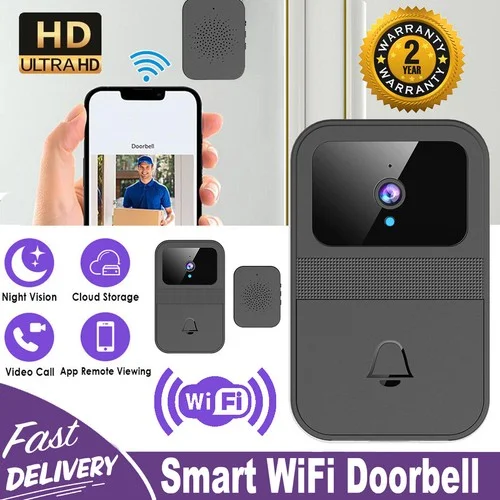
Use these catalog picks as a shortlist for doorbell chime buyer’s guide: wired vs. wireless systems. Compare measurements, materials, and return terms side by side instead of buying from a photo alone.
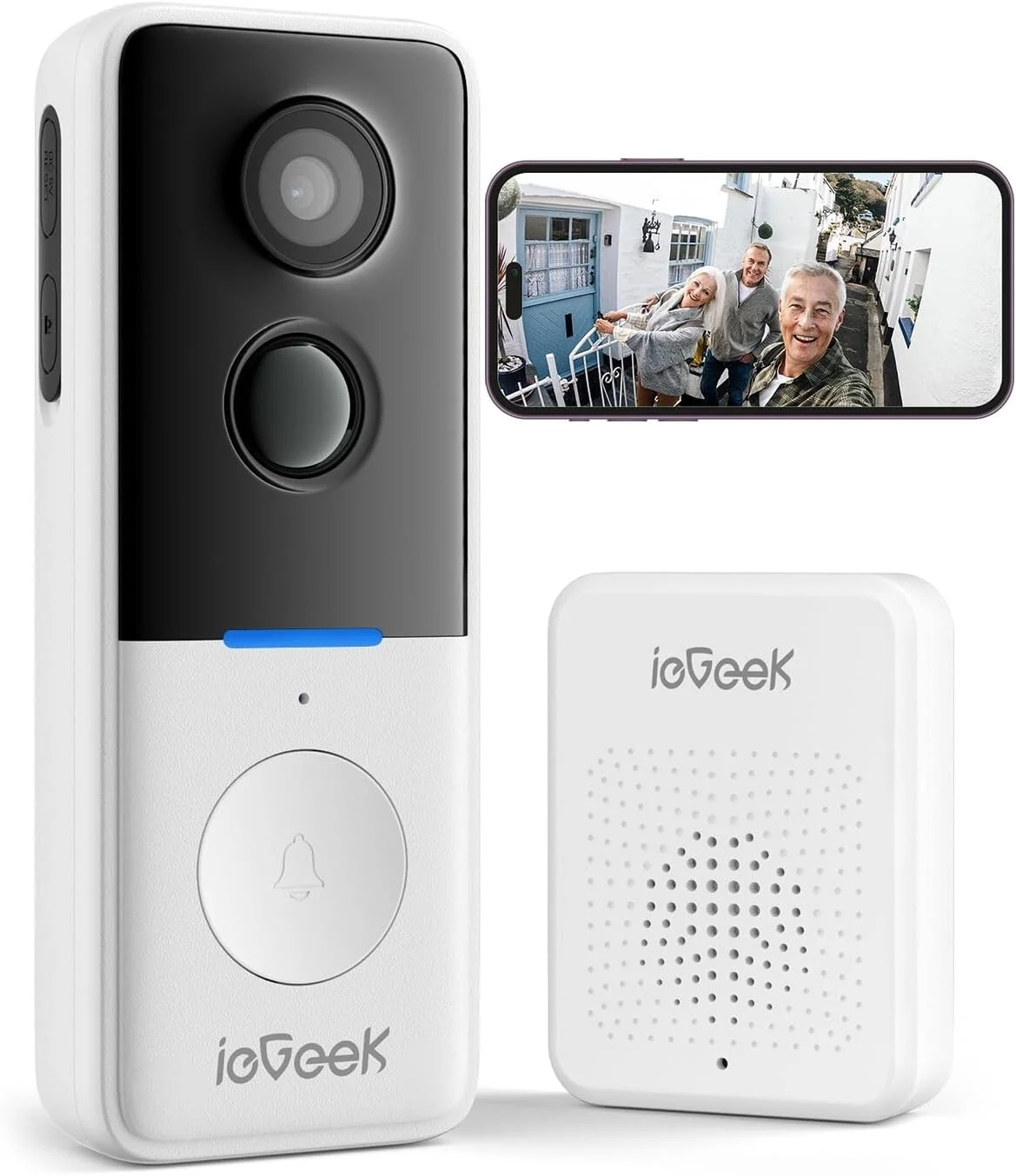

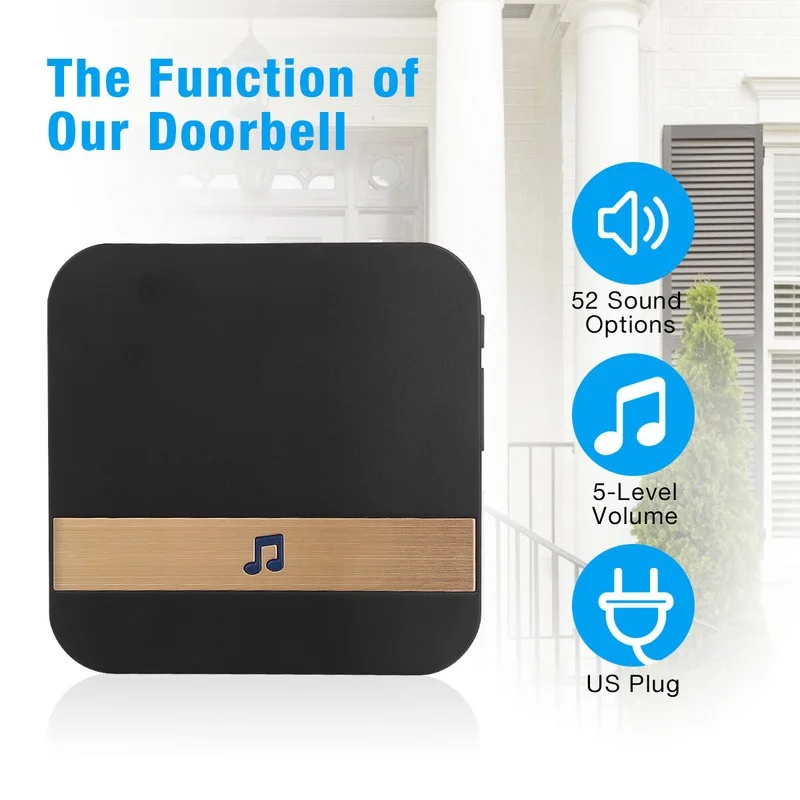

For a wired installation, begin by identifying the existing chime, transformer, and doorbell button. Turn off power before working on the circuit, even though doorbell wiring is typically low voltage, and follow the manufacturer’s terminal labels. If the chime is silent, inspect loose connections and transformer output rather than assuming the indoor unit is defective. Homes with no usable wiring may require professional installation, especially when cable must pass through finished walls.
For a wireless installation, test the button and receiver in their intended locations before permanently mounting either piece. Pair them nearby first, then move the receiver to the room where it will be used. If the signal is inconsistent, try a different outlet or position, keep the receiver away from large appliances and metal surfaces, and test with doors closed. A second receiver may solve a coverage problem more reliably than placing the original unit at the edge of its advertised range.
Power requirements deserve more attention than decorative features. A wired unit may need a specific voltage range or a separate adapter for electronic operation. A wireless button may use a coin cell, alkaline battery, or another battery format, so check availability and expected replacement frequency. A plug-in receiver can reduce maintenance but should not block adjacent outlets. If the chime will be installed in a bedroom, nursery, or office, look for volume control and, where appropriate, a visual alert.
Sound, visibility, and finish choices
Sound quality is more important than the number of melodies. Choose a tone that remains distinct from phones, smart speakers, and alarms, and make sure the volume is suitable for the home’s size. Some buyers prefer a traditional bell sound, while others want a short digital tone. Appearance matters too: a White receiver may blend with a light wall, while Green or Silver finishes can suit contrasting trim or hardware. These color choices affect coordination, not performance, unless the product’s materials and weather rating state otherwise.
Which Doorbell Chime System Is Best for Your Home
Choose wired doorbell chimes when your home already has reliable wiring, you want continuous power, and you prefer minimal battery maintenance. They are particularly practical for homeowners planning to keep the system in place for years. A wired option from an established category such as Nutone may be worth considering when you need a replacement that fits an existing low-voltage setup, but always confirm terminal layout and electrical specifications rather than relying on brand familiarity alone.
Choose wireless doorbell chimes when installation speed, portability, or multi-room coverage is the priority. They are often the better fit for renters and for homes where the door is far from the nearest practical cable route. They also make sense when you want to relocate the receiver seasonally or add coverage without opening walls. The best choice will include a realistic range for your construction type, a convenient power plan, and a button that can withstand outdoor exposure.
When comparing the four catalog picks that may appear on this page, use a pros-and-cons approach rather than selecting solely by price or melody count. Compare wired versus wireless operation, button and receiver power, stated range, weather resistance, volume control, extra-receiver support, warranty terms, and compatibility with an existing transformer or smart doorbell. A less expensive model may be the better value if it fits your wiring and room layout, while a higher-priced kit may justify its cost through easier expansion or more suitable power options.
The right system is the one you can hear reliably, power conveniently, and maintain without unnecessary work. Measure the distance between the entrance and the rooms where an alert matters, inspect existing wiring if you have it, and decide whether battery replacement or installation effort is the bigger inconvenience. That short assessment will usually narrow the choice more effectively than shopping by finish, sound library, or headline range alone.
FAQ: Doorbell Chime Buyer’s Guide: Wired vs. Wireless Systems
Are wired or wireless doorbell chimes better?+
Wired doorbell chimes are usually the better choice for homes with existing doorbell wiring because they offer consistent power and do not require battery changes. Wireless doorbell chimes are more convenient for renters, outbuildings, or homes without suitable wiring, but range and battery life should be checked before buying.
How far can a wireless doorbell chime reach?+
Many wireless doorbell chimes list an indoor range of several hundred feet in open conditions, but walls, metal doors, and other obstructions can reduce it. Measure the distance between the button and chime, then choose a model with extra range for a more reliable connection.
Do wireless doorbell chimes need batteries?+
Most wireless doorbell buttons use replaceable or rechargeable batteries, while the indoor chime may use batteries or plug into a wall outlet. Check the power design and expected battery life so you know whether ongoing maintenance will be required.
Can I replace a wired doorbell chime with a wireless one?+
Yes, a wireless doorbell system can usually replace a wired chime without changing the existing wiring. You may be able to leave the old wiring unused, but confirm that the new doorbell button and chime are compatible with your preferred mounting and power setup.
What should I check before buying a doorbell chime?+
Check whether your home has working doorbell wiring, the distance between the button and chime, available power outlets, and the installation space. Also compare volume levels, adjustable tones, weather resistance for the exterior button, and whether the system supports extra buttons or receivers.